MacGougan at Large
Notes on a Trip to Québec City - 4

Anglophone Anxiety
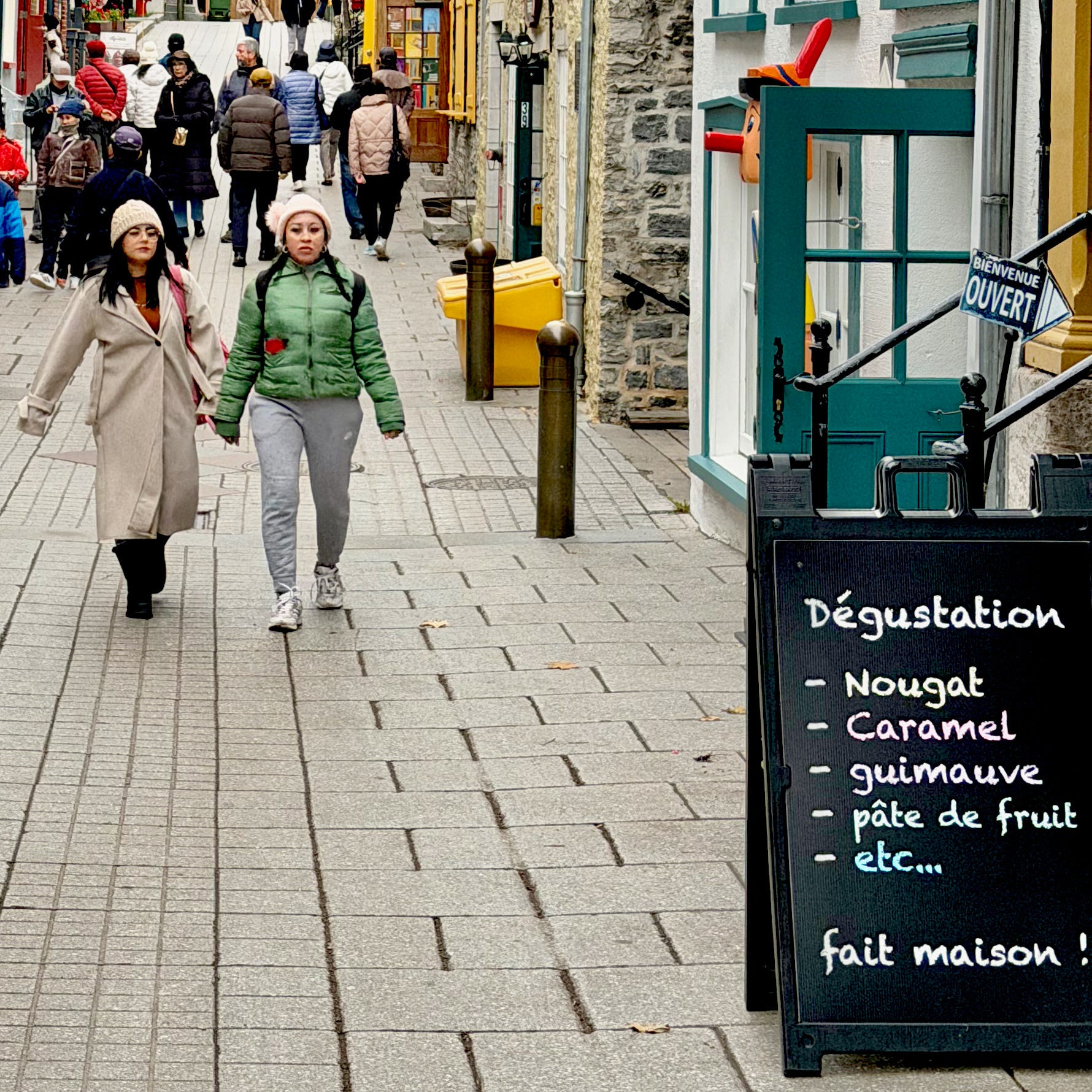
Prior to our trip to Québec, I thought that an anglophone was something British people used to make calls. It turns out, however, that an anglophone is me - or anyone else who, like me, speaks English and little or nothing else.
I took French in high school and for one year in college. This was more than a few years ago, and I’ve done little practicing since. So the prospect of visiting a French-speaking city made me a little nervous. How will I communicate with shopkeepers and waiters? Will they disdain me and my pathetic lack of fluency in French?
I had a daydream/nightmare of running into my old high school French teacher, who spoke to me in French and asked me something simple. Where am I going? How am I today? I wanted to respond in French, but instead froze up. At this point, he gave me a stern look. “Quel est le problème, Raoul?”
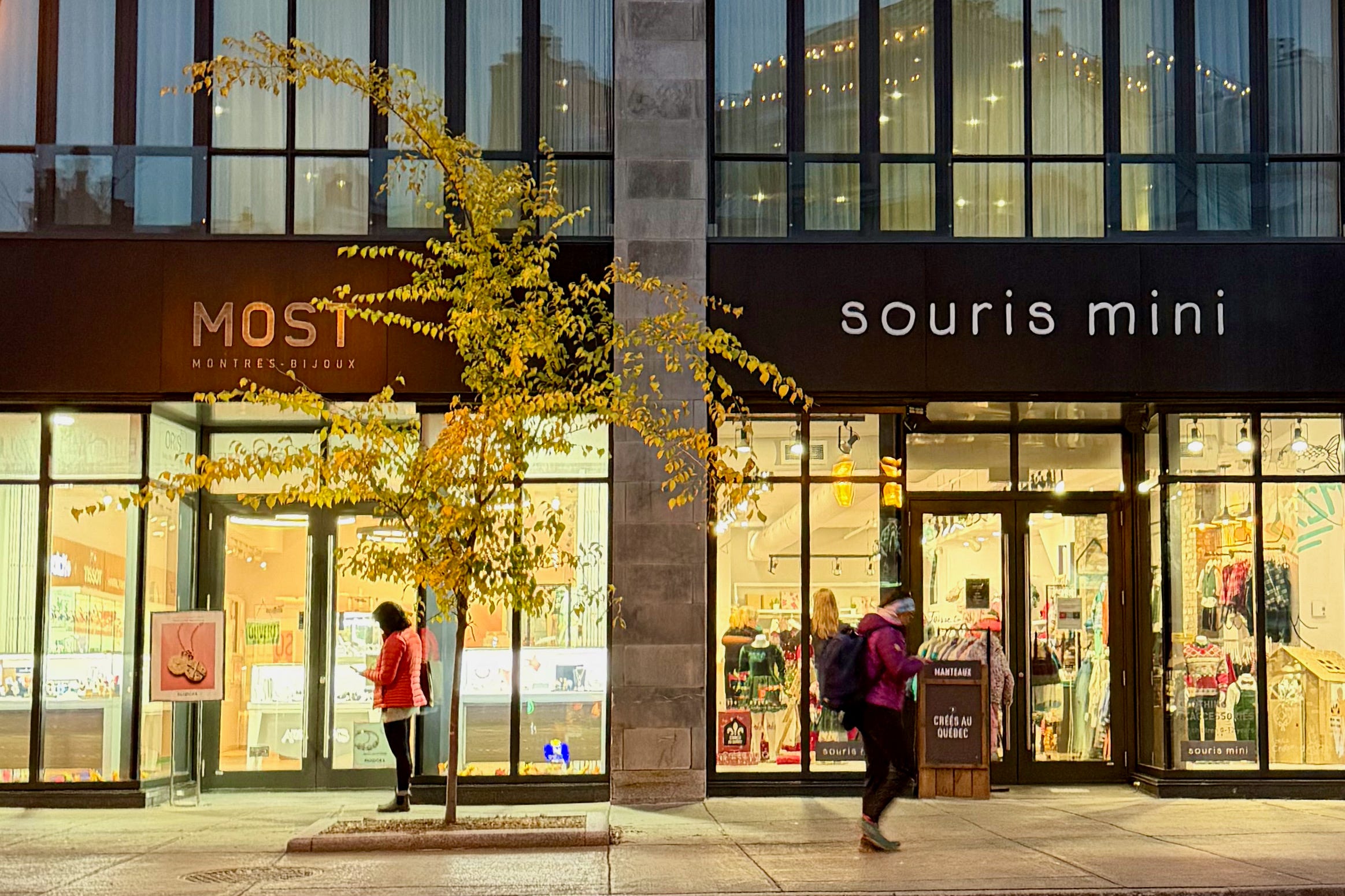
That’s right: Raoul. We got to choose our French names for French class. I was offered “Marc”. It’s a perfectly acceptable French name, but to me it seemed too close to my English-speaking identity. So in French class I was Raoul.
The teacher in my daydream assumed that I’d take advantage of the many years that have passed since I was his student to further my skill with the French language. Certainly by now I’d be ready for some serious post-graduate work at the Sorbonne. Instead - Quel dommage! - what little French I once had has gone to seed, and I can’t conjugate my way out of a wet paper bag.
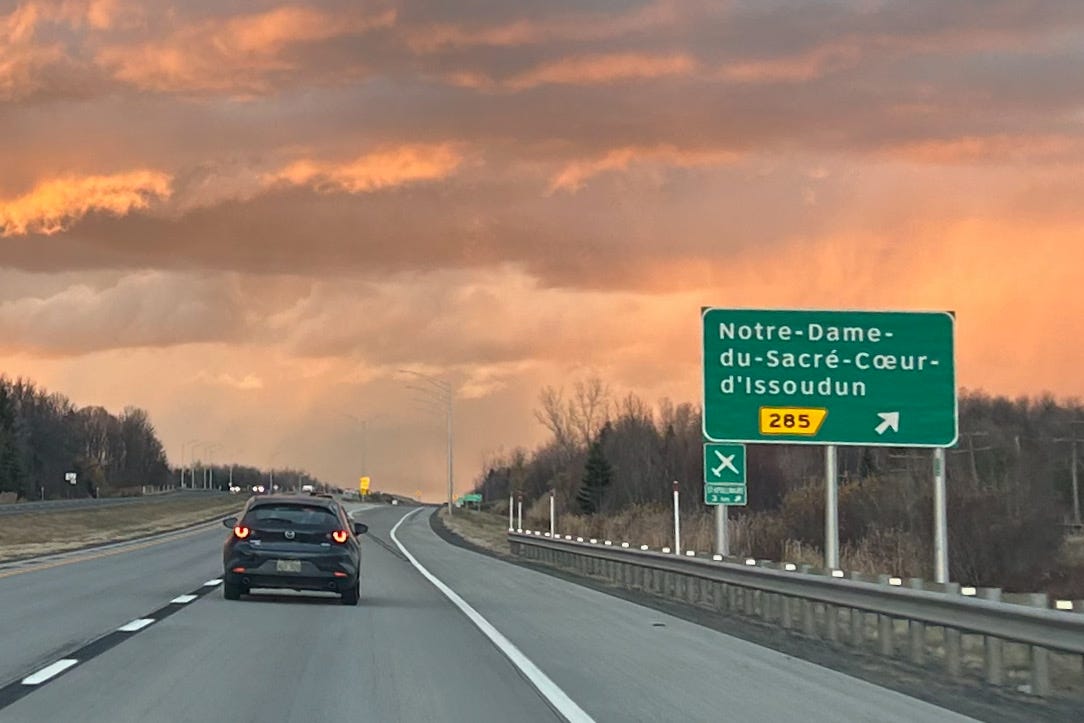
As I recall, whatever facility I was able to reach with French mostly related to reading it. Deciphering spoken French is another matter altogether. Here’s a quick example of the problem. In French, there are approximately one thousand letter combinations at the end of a word (including, but not limited to, -ai, -ais, -ait, -aient, -er, -ez, -é, and -ée) that are all spoken as “AY”.
I did, however, manage to etch into the hard drive of my memory some lines of La Fontaine - which is to say children’s fables written in verse. Having learned them by ear listening to a tape, I can speak them with authority and what I imagine to be a passable accent.
So what would happen when I made my way to a fancy restaurant in Québec City? Here is the exchange I was anticipating - translated into English for the convenience of my anglophone colleagues.
MAÎTRE D’: Good evening sir and madam. Welcome to our restaurant fancy and expensive. Have you a reservation?
MARK: Mister Crow, on a tree perched, held in his beak a cheese.
MAÎTRE D’: One of my favorites. I will have it as a No Reservation. I believe we could for you both find a table. Is it possible for you to wait some minutes? Perhaps forty, fifty?
MARK: Mister Fox, by the smell attracted, spoke to the crow these words: Well Hello, Mister Crow! How attractive you are!
MAÎTRE D’: We are sorry to lose your patronage monetary and your accent impeccable. Now, if you will excuse me, it is needed that I find the pen of my aunt, which I may have mislaid on a piece of furniture.
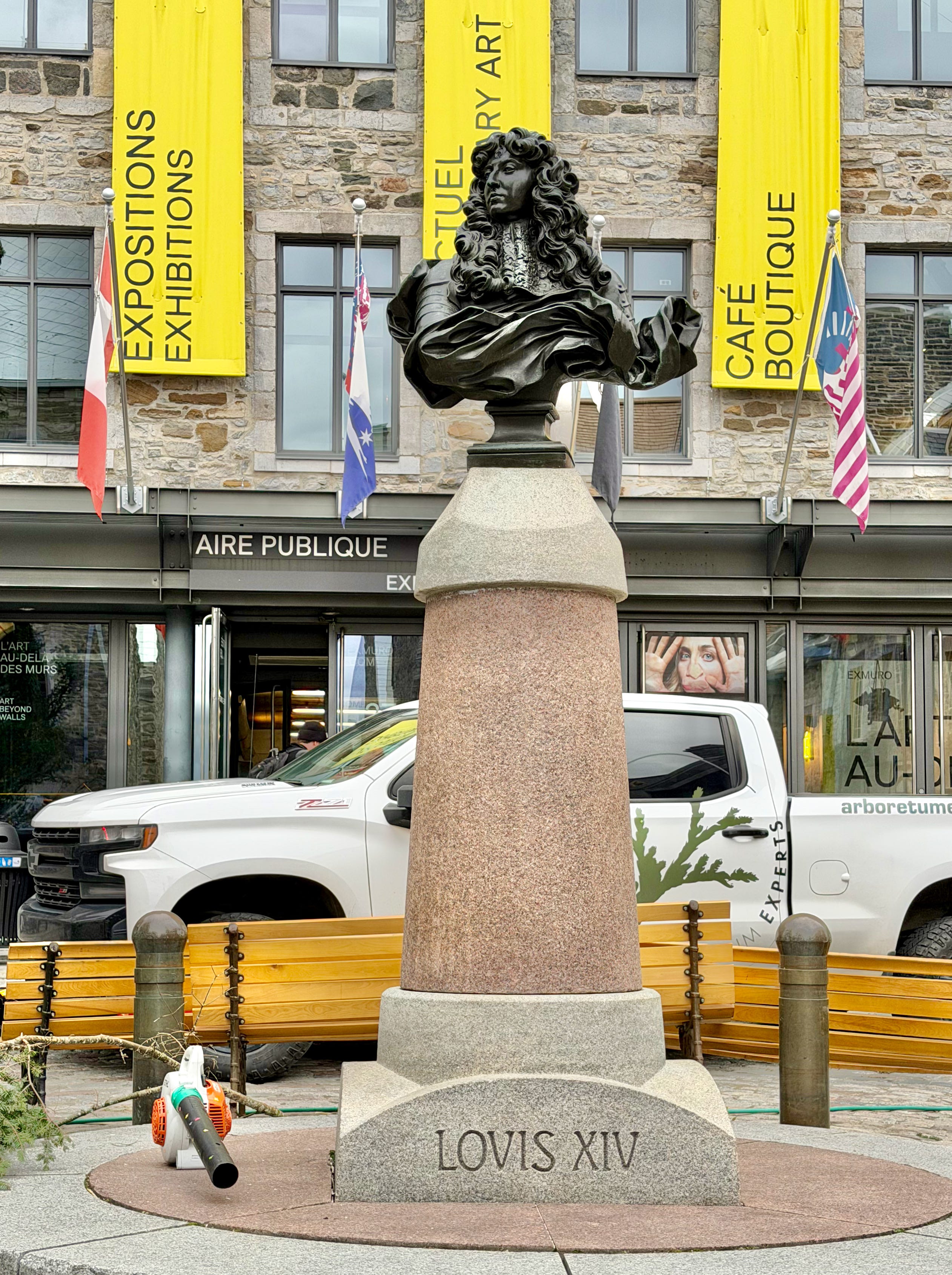
As it happened, of course, everyone was very kind, helpful, and easy to communicate with. And I didn’t run into my old French teacher once.
Maitre corbeau perche dans un arbre, tenait en son bec du fromage….. Please excuse any errors. French class was long ago for me as well.
Your dialogue with the Maitre’d is HILARIOUS. N’est pas?