MacGougan at Large
Notes on a Trip to Palm Springs - 3

Coachella Valley
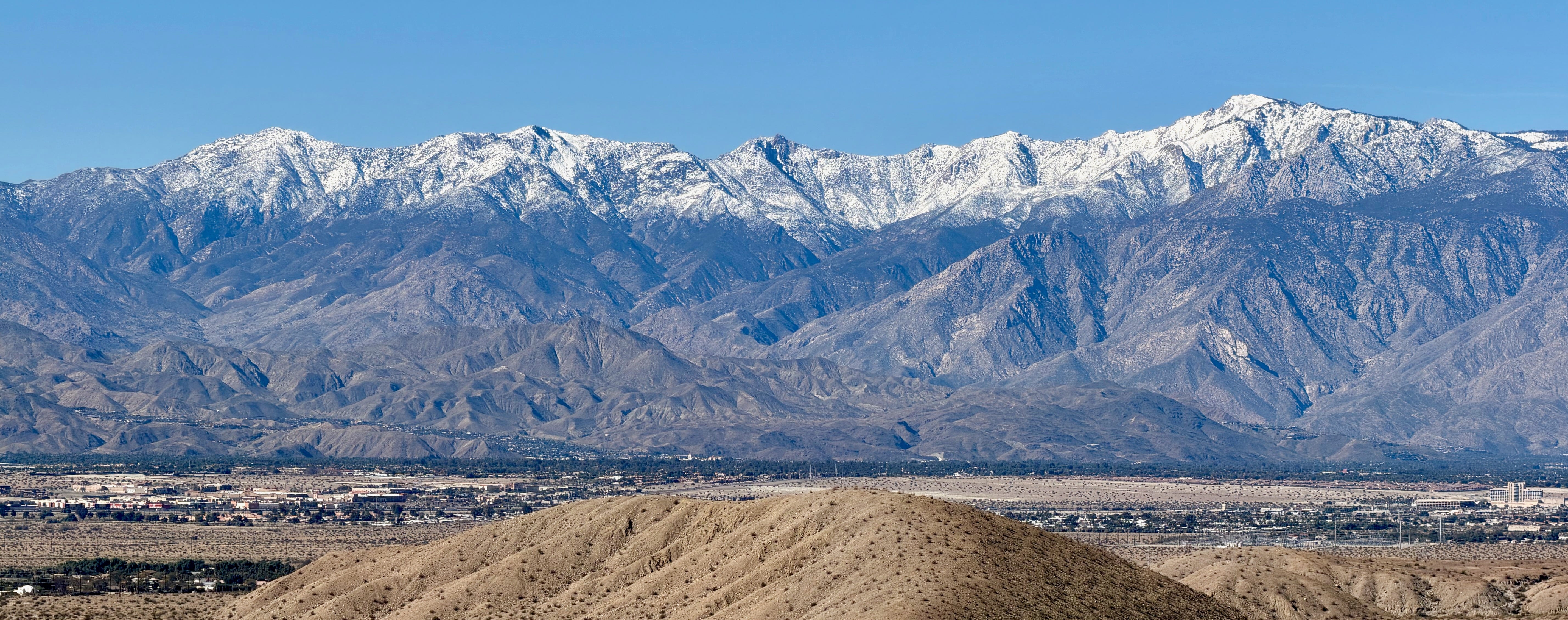
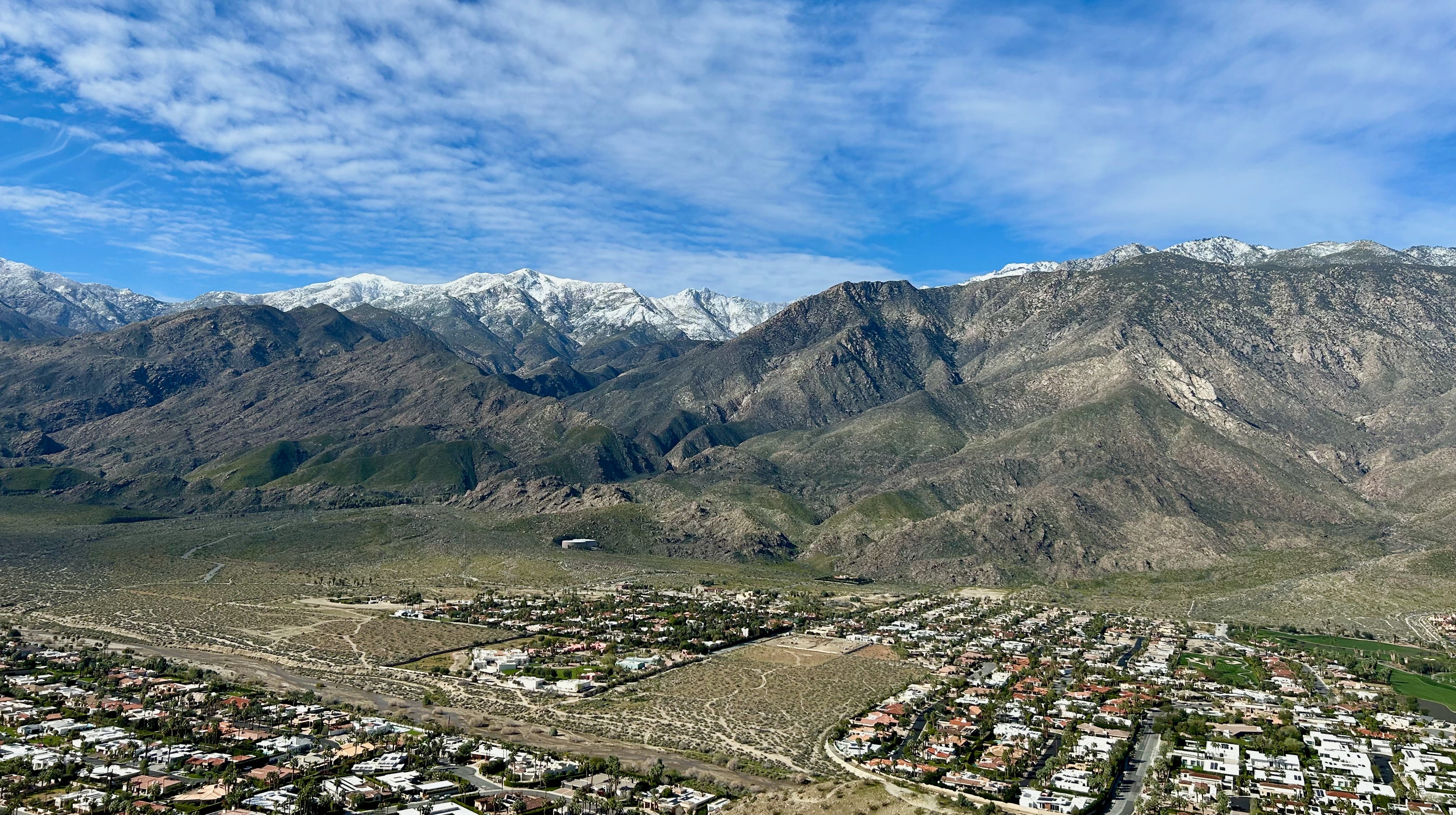
One thing I wasn’t prepared for when I arrived in Palm Springs is the topography. The place is surrounded by mountains, with neighborhoods and downtown Palm Springs tucked right up to the foot of some pretty dramatic mountainsides.
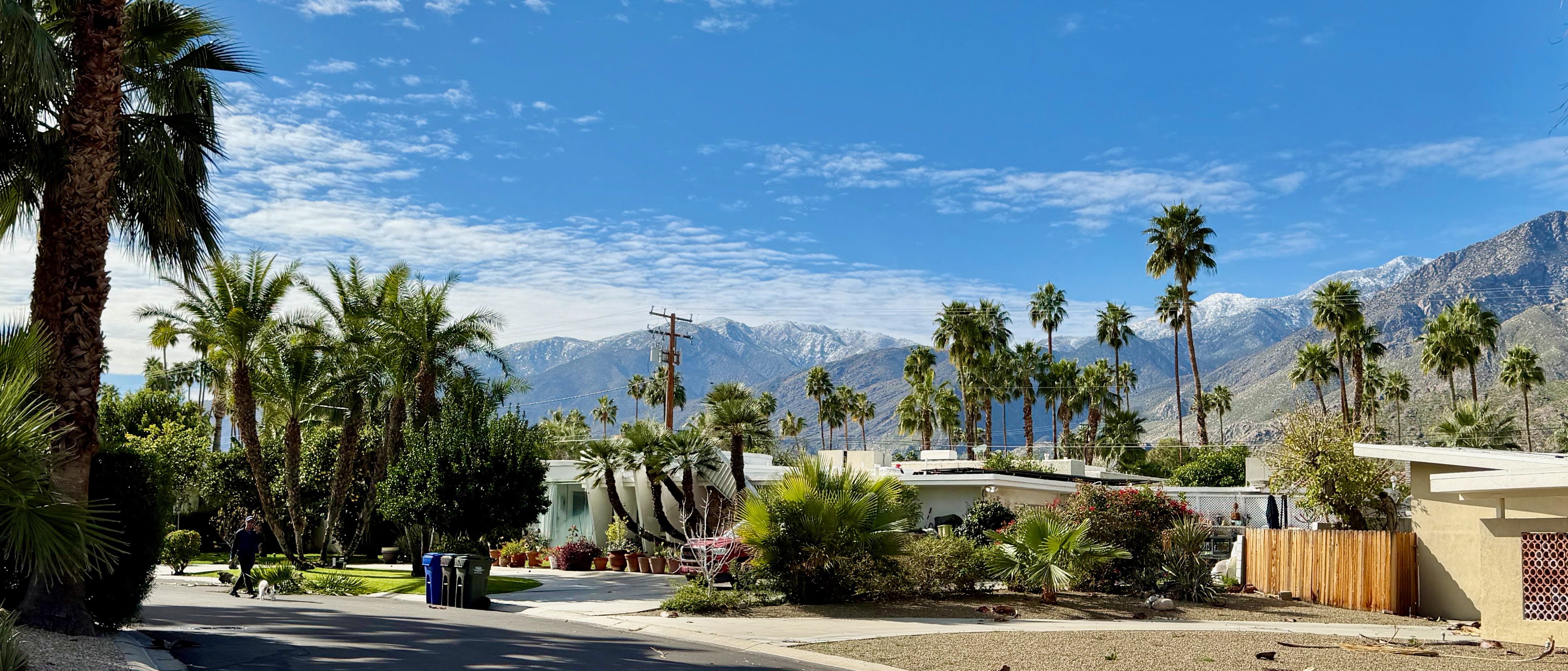
Palm Springs is one of nine cities scattered along the Coachella Valley. (As far as I can tell, the name can be pronounced either co-CHELL-uh or co-uh-CHELL-uh.) The largest by population is the town of Indio, which is home to the famous Coachella music festival. Right next to Indio is Indian Wells, famous for its tennis tournament.
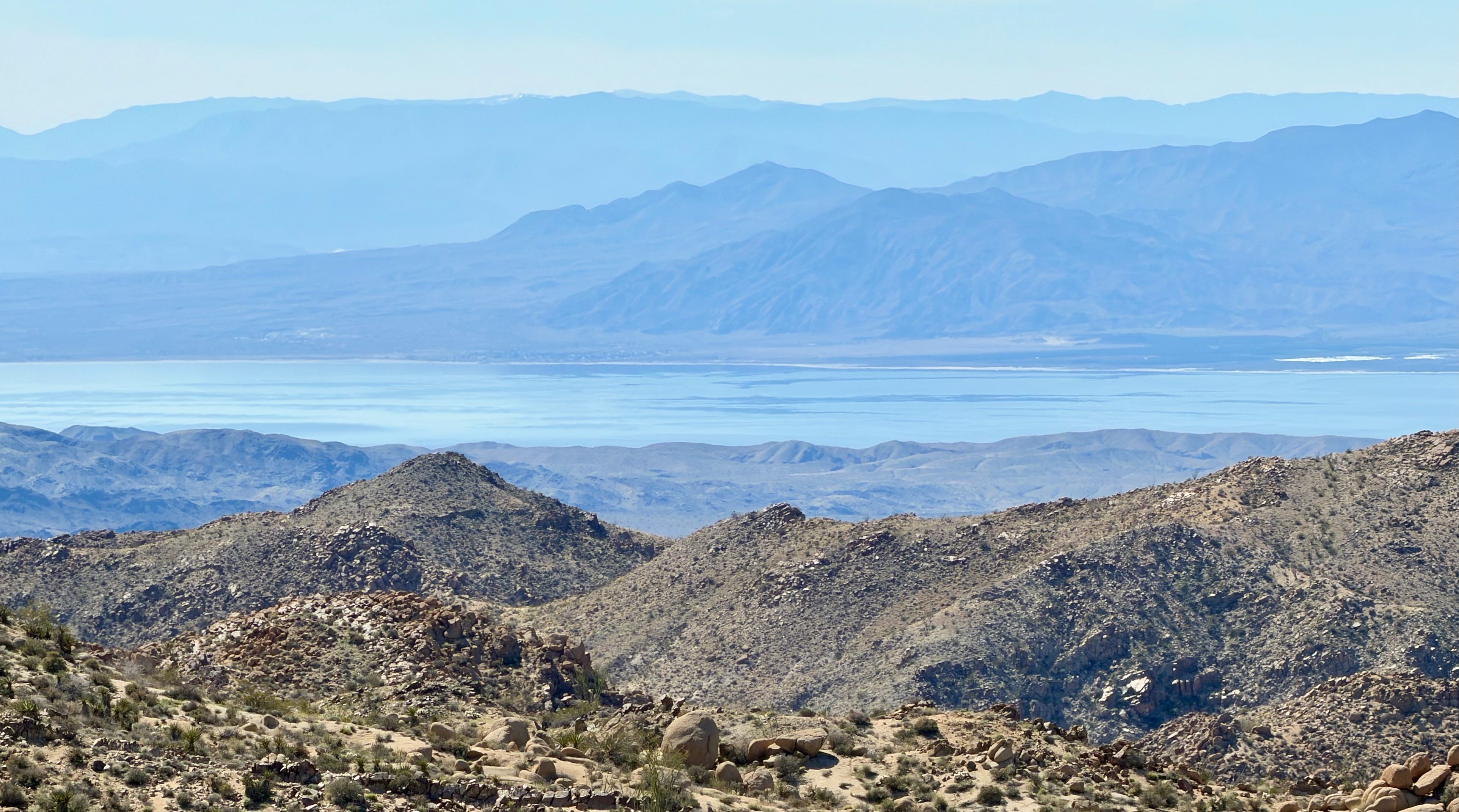
Still, the mountains are mostly wild and the valley has a lot of open land. You don’t have to go very far to find hikes where you feel like you’re exploring an uninhabited planet.
One additional factor that leaves the valley feeling uncrowded is the development pattern. This is a legacy going back to the Ulysses S. Grant administration, which issued land grants in the area based on a checkerboard pattern of square miles. Squares were granted alternately to the Southern Pacific Railroad Company and to the Agua Caliente Tribal Nation. Most of the development in the valley is on the former railroad land.
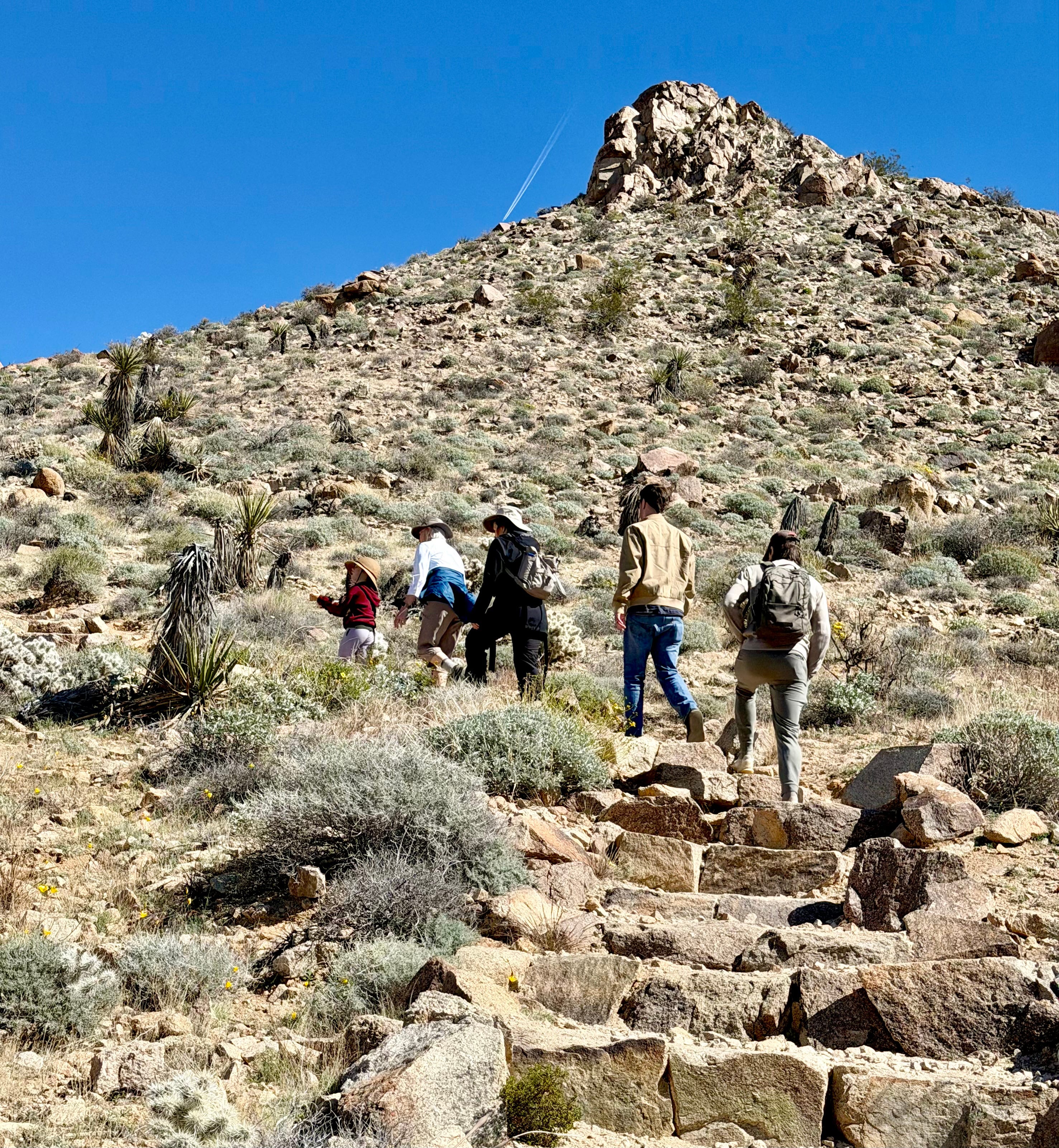
We took a couple of wilderness hikes - the Mastodon Peak Trail in Joshua Tree National Park and the Pushawalla Palms Trail Loop in the Coachella Valley Preserve. Both were beautiful - although we didn’t see any Mastodons at Mastodon Peak and I don’t know what Pushawalla means. We were fortunate that recent rains had enabled a surprising abundance of wildflowers through what might otherwise have been pretty spartan high desert terrain.
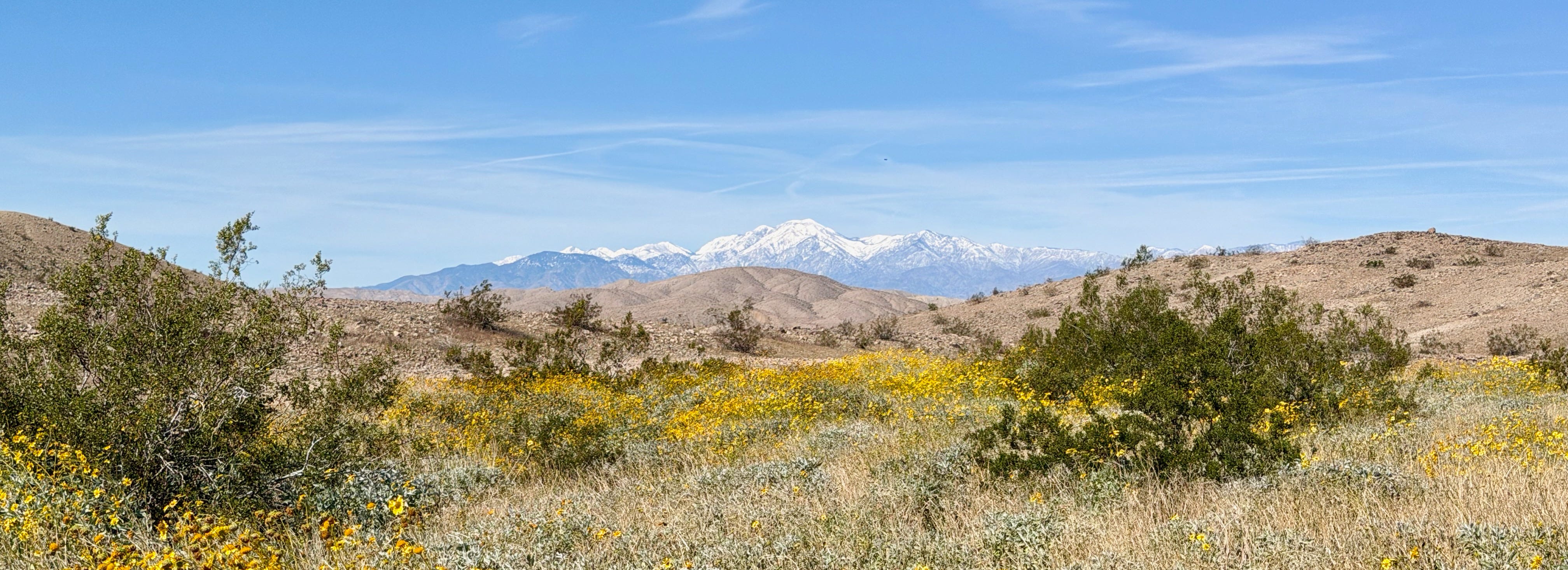
A day hiking in the wilderness makes a nice counterbalance to the drinks-by-the-pool life of ease in Palm Springs.