MacGougan at Large
Notes on A Trip to Norway - 3

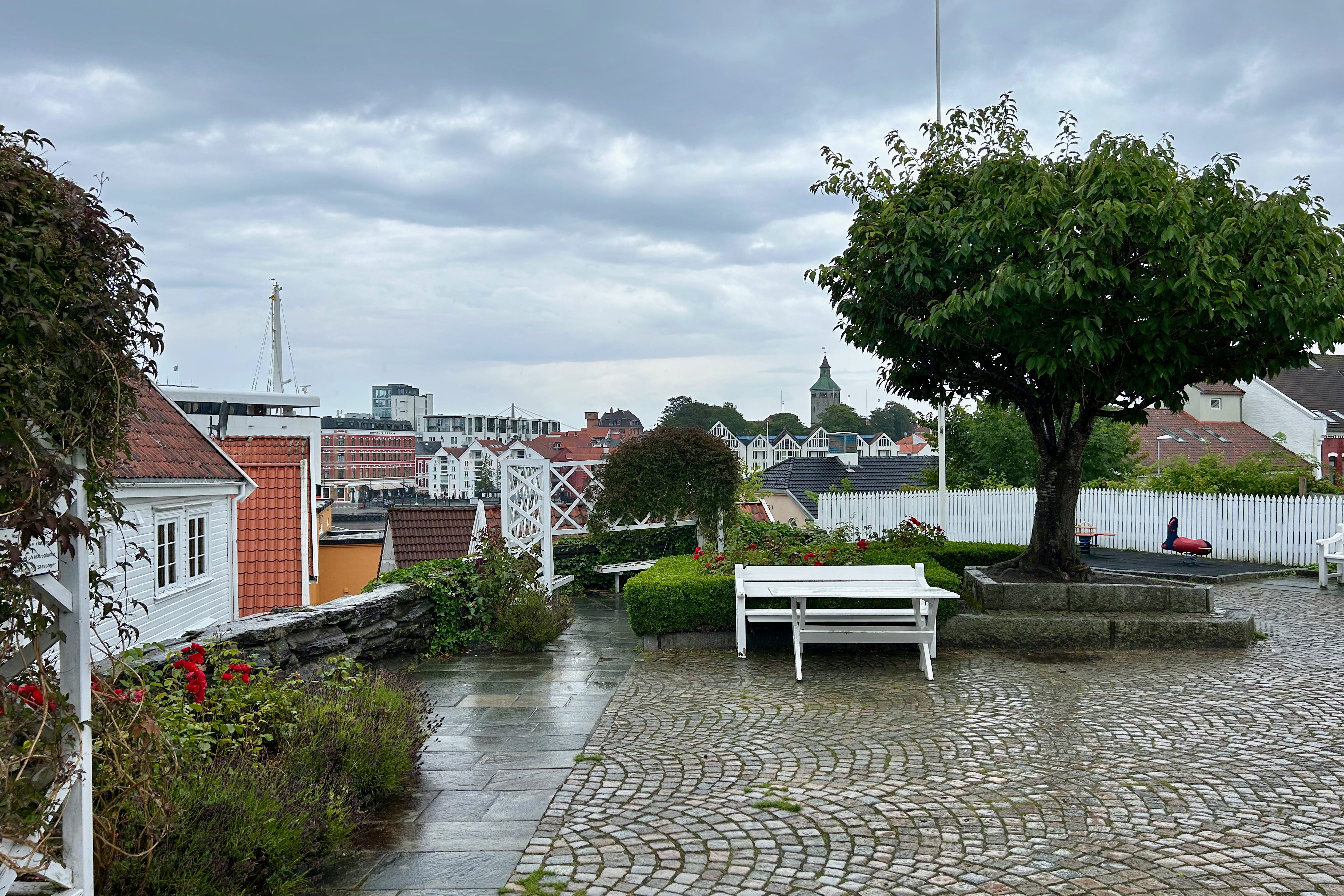
Stavanger
Norway is shaped like a kneesock holding a croquet ball. (Others have drawn less family-friendly comparisons, but I’m sticking with the ball in the sock.) There’s a fist holding the sock at the top, then a long skinny drop that widens gradually as it makes its way south, where it stretches out to a roundish shape.
Oslo, Norway’s capital and largest city, sits at about four o’clock on the croquet ball - as protected from ocean storms as you can get in Norway and still be on the water. Norway’s third-largest city, Stavanger, sits at about seven o’clock on the croquet ball, facing directly out to the North Sea.
The name looks like it should rhyme with “scavanger”, but is actually pronounced more like “stuh-vonn-guh”.
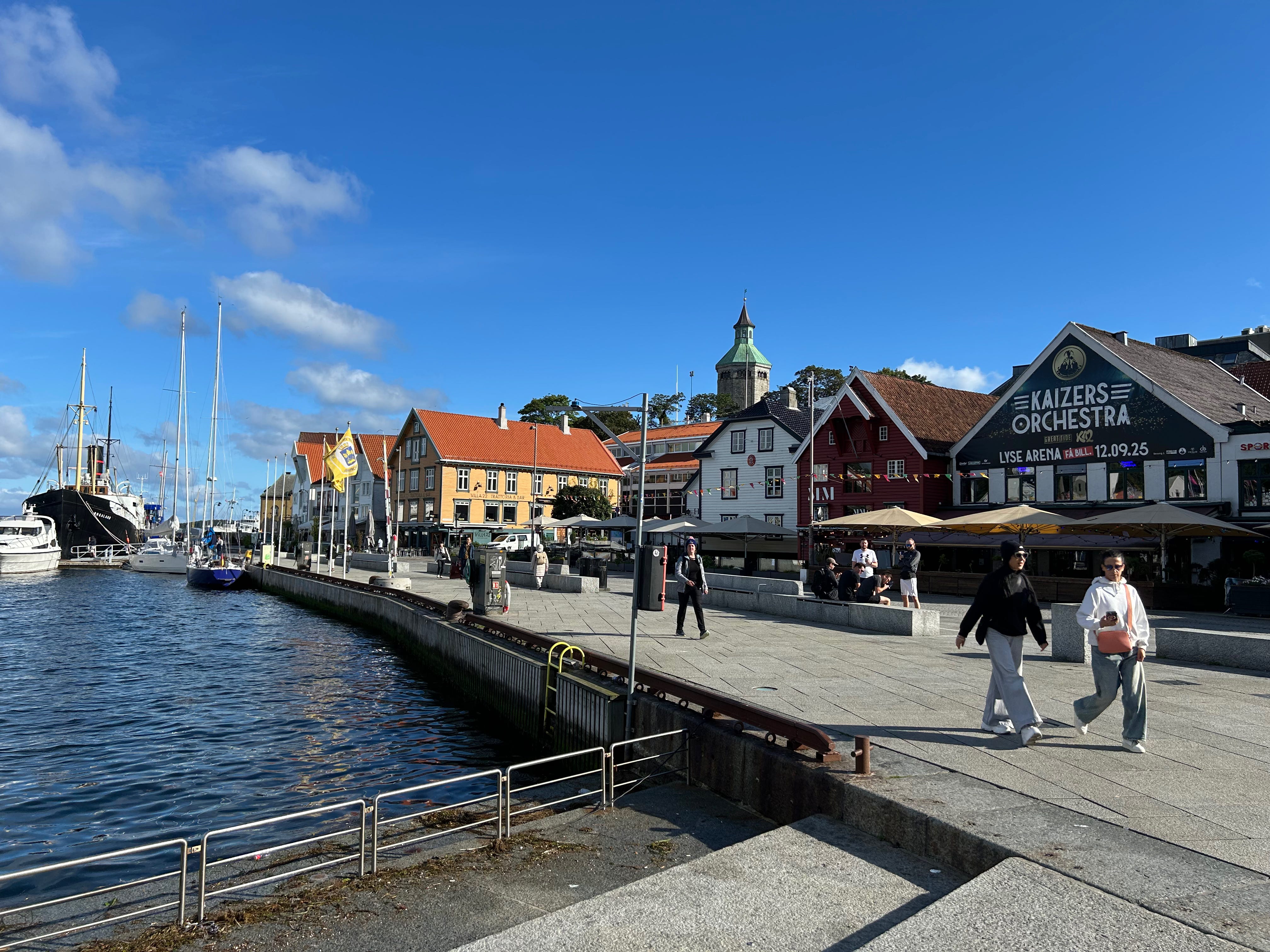
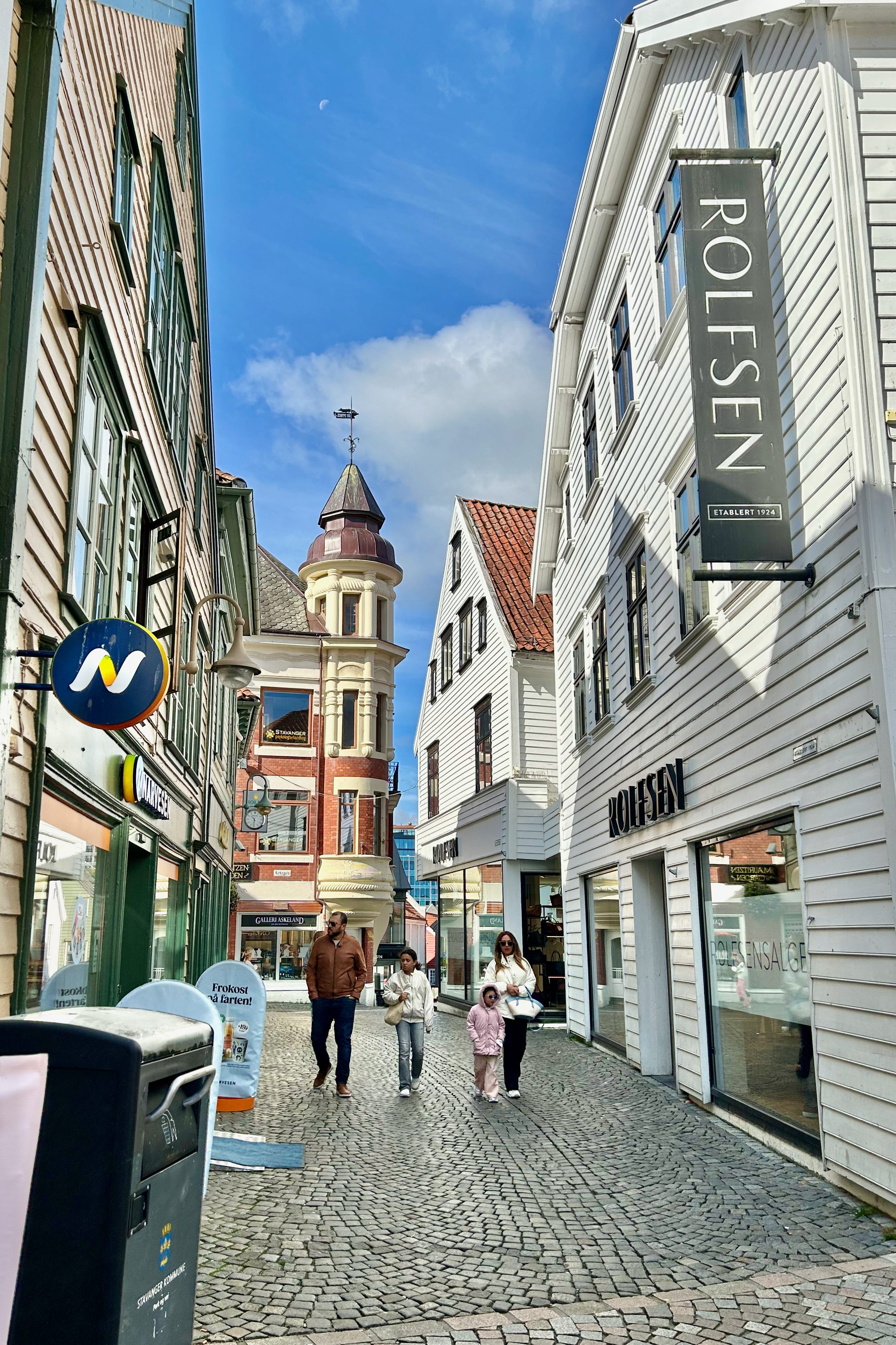
In the late 1960s, when oil was discovered in the North Sea, Stavanger became the hub of Norway’s oil industry, but you wouldn’t confuse it with Houston. It doesn’t have a lot of high-rise office buildings. The city has very modern infrastructure but retains a lot of historical charm, particularly around the harbor area.
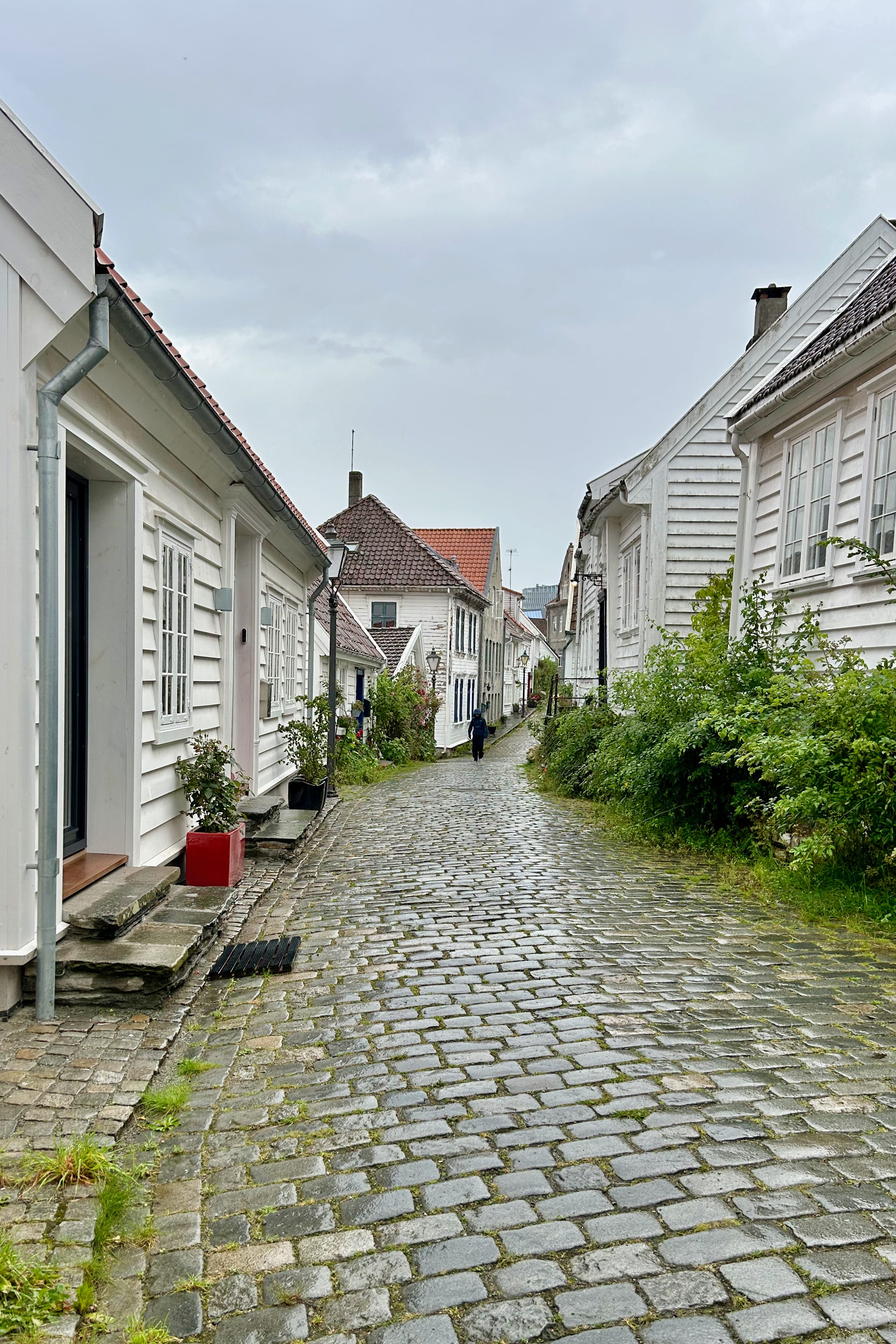
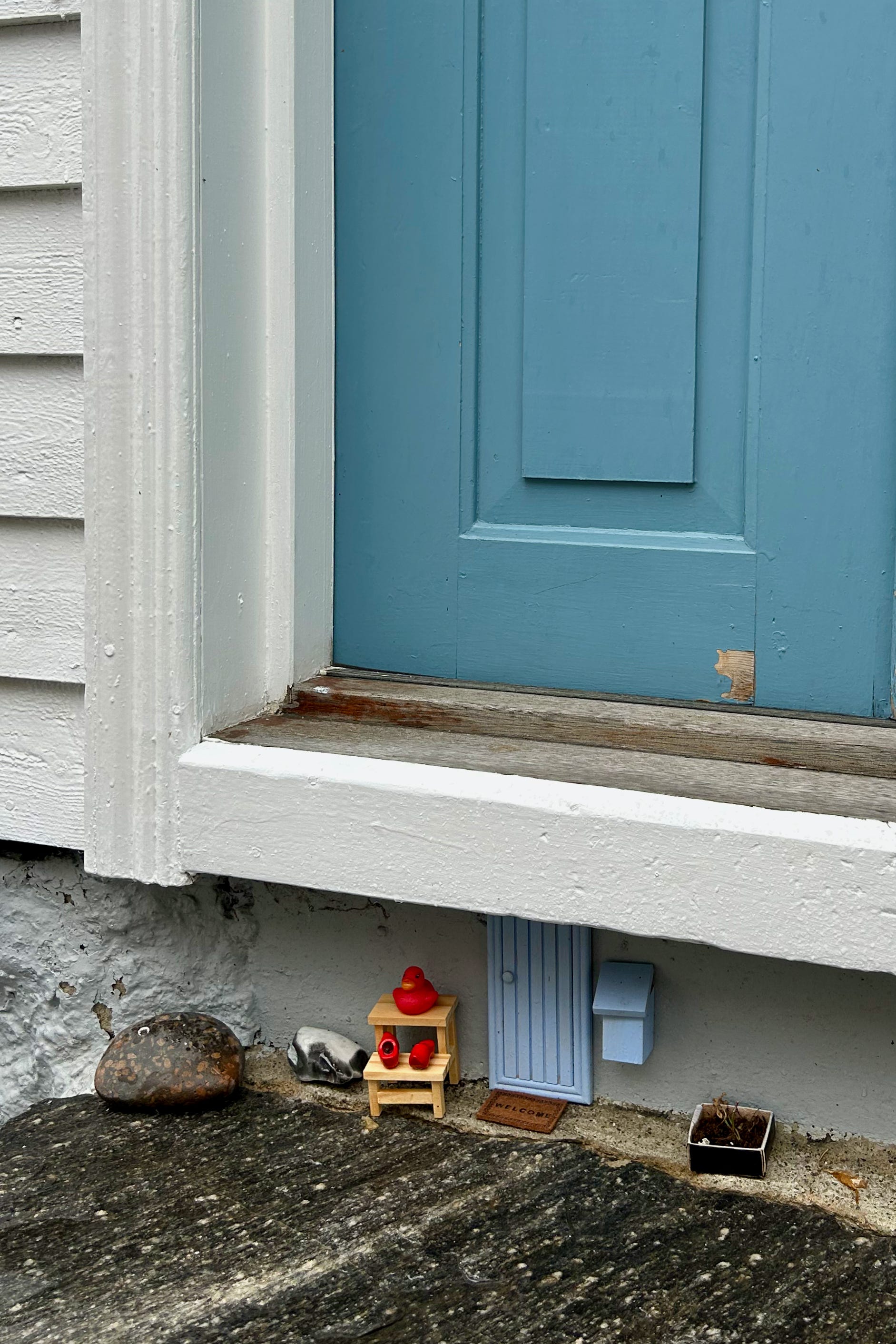
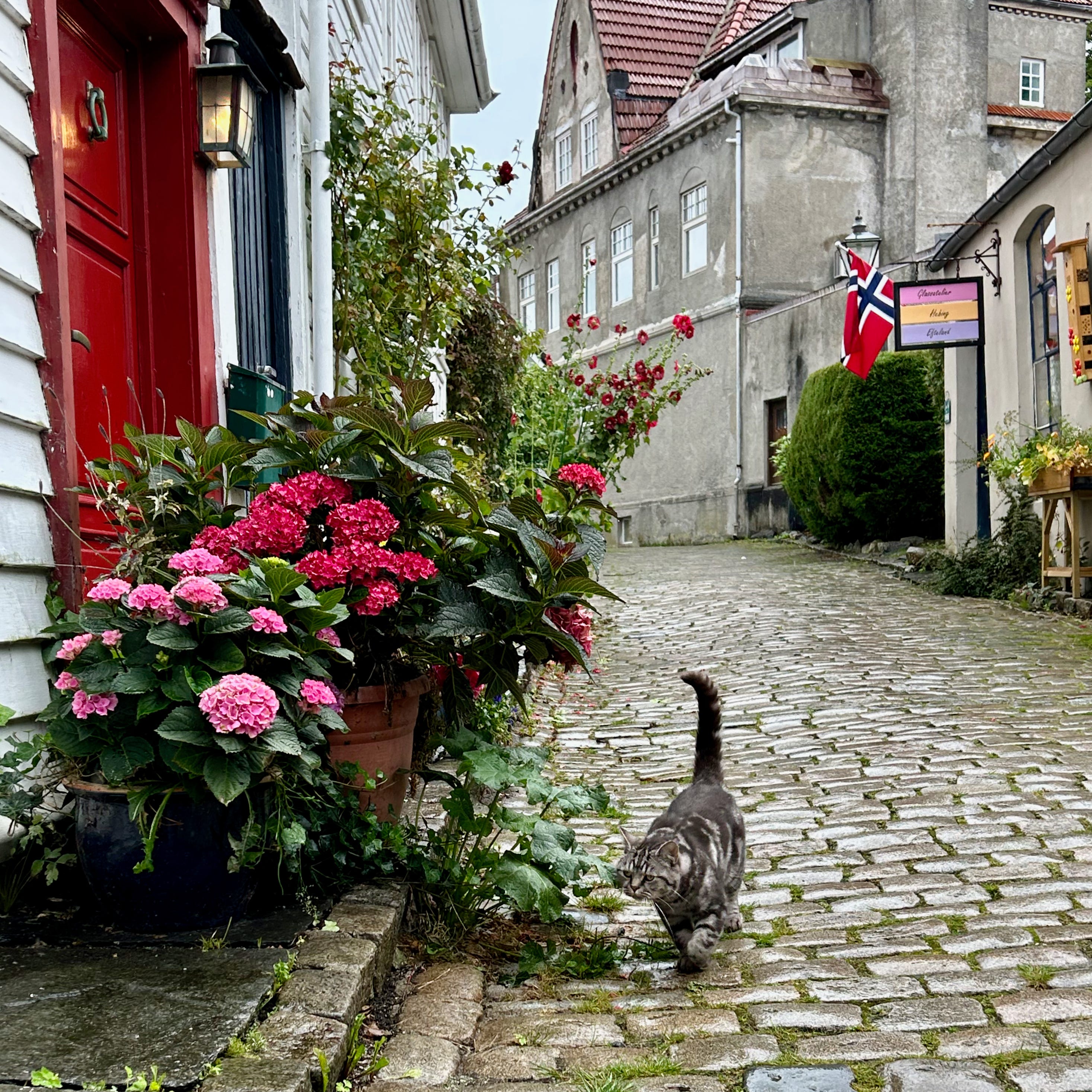
Here are some scenes from an old town neighborhood overlooking the harbor. Those are actual homes with residents. There have been some issues with visitors from cruise ships thinking the area was some kind of interpretive center and walking into people’s homes. “Hello! Are you the guides for this exhibit?”
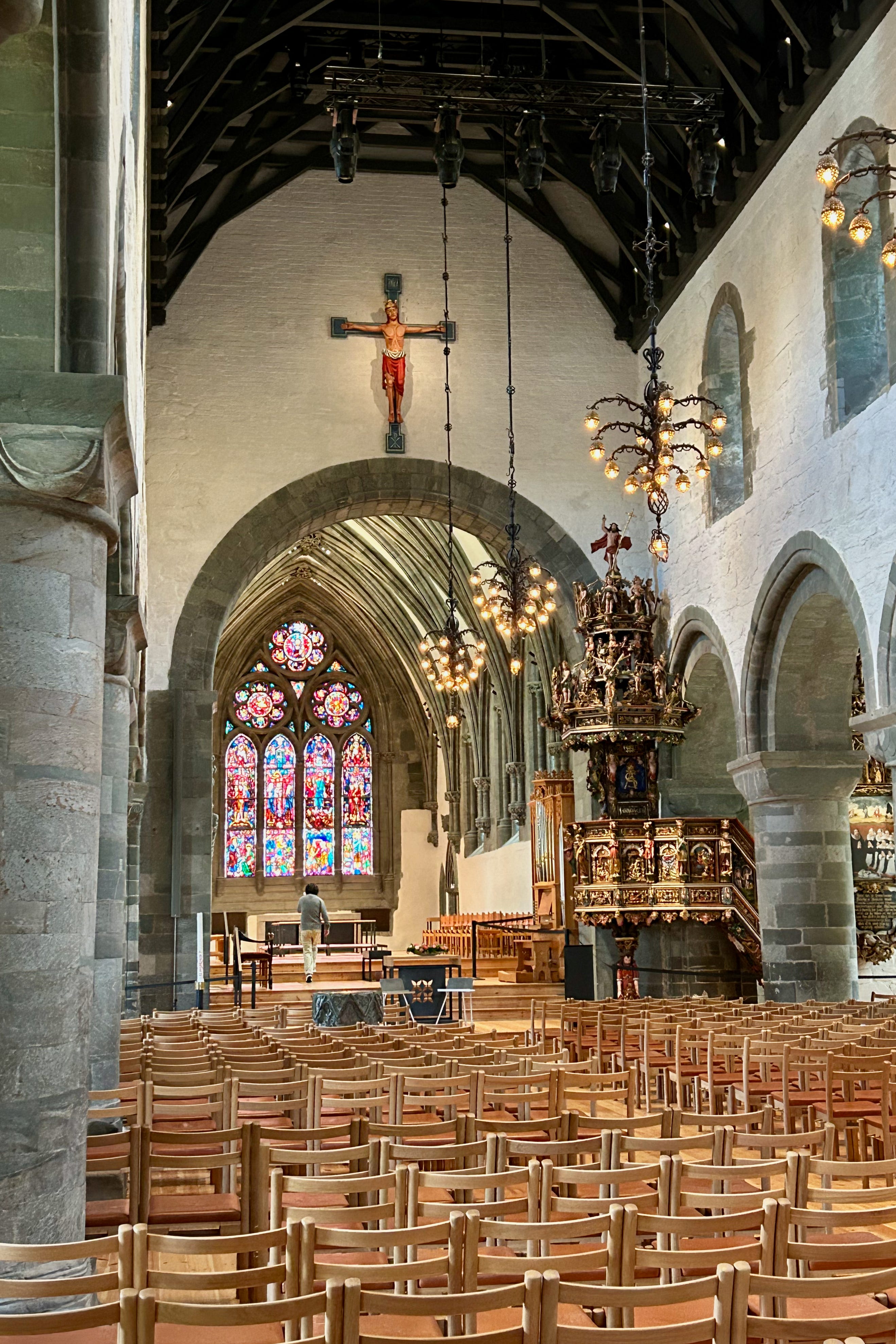
The church down by the harbor has been recently spruced up in honor of its 900th birthday. That’s right - although mind-numbing. It was originally built in 1125. Notable, among other things, for being the church where my late father-in-law was baptized. He was born in America to Norwegian immigrant parents and then taken back to the old country, where he could learn his roots and be baptized - not in some johnny-come-lately church - but in someplace with Christian roots that go halfway back to the time of Jesus.
As noted in the previous post, we flew into Stavanger primarily to visit the old family property up in the hills an hour and a half away. We also got to visit a second cousin and spend a morning seeing Stavanger sights before going back to the airport and heading off the Lofotens. (More on the Lofotens in the next posting.)
A side note on oil: Norwegians love to pump oil from the seabed and sell it to other countries, but hate to use it themselves. Norway generates most of its electricity from hydroelectric dams and has far more electric cars per capita than any other country.
I’m better informed: now I know I belong to a Johnny-come-lately church.
And more on paperclips: students at a school in Kentucky collected six million and put them in a railroad car that was used to transport people to the concentration camps the Nazis built. The film, released in 2004, is called Paper Clips. A good symbol of resistance. The students used them to gain a sense of what six million means.
Thanks for the posts.
I’ve accidentally subscribed to something called “Dictionary Scoop.” It randomly sends me emails with facts that it thinks I’ll find interesting.
This was one of today’s facts:
“Invented in the late 19th century, the paperclip's rise paralleled the spread of mass bureaucracy.During WWII, Norwegians wore them as symbols of resistance against the Nazis, defying a ban on national symbols.”