MacGougan at Large
Notes on Word Puzzles - 1

Puzzlers R Us
Today at “MacGougan at Large” we start a seven-part series on word puzzles. What are they? How do they work? Are they good for us or bad for us? Why do some of us find them so addictive?
Here’s a starting point: I and at least half the people I know have a Puzzle Problem.
By “puzzle” I mean all of the various mental-challenge diversions available online or in hardcopy books, magazines, and newspapers. Things like crosswords, cryptic crosswords, acrostics, Sudoku, KenKen, Wordle, Connections, Spelling Bee, and so on.
Most of us don’t acknowledge having a Problem. We think of ourselves as Puzzle Mavens. Hobbyists. Word Geeks. Certainly not Addicts.
Well, Yes. There are certain puzzles that we need to solve every day or the world will end. Solving those is just being a responsible citizen.
Also, we’re keeping our brains sharp. We aren’t like those video gamers, obsessively gunning down zombies or other de-humanized bad guys. We just fill in grids with letters or sometimes numbers. How could that possibly be a Problem?
OK, so there are millions of really smart people spending hours every day working out solutions to problems that were devised simply to keep them busy. Yes, it could be argued that this isn’t the optimal use of all that brainpower.
Welcome to the modern world! You want to talk about misuse of brainpower? Take a look at AI. We’re accelerating global warming by building massive server farms that can encompass all knowledge. Why? So that we can get deep-faked. So that we can generate pictures of the Pope riding a unicycle.
And here’s the rub. If all our puzzles went away, would we devote our extra time to curing cancer? Sad to say, it’s more likely that - after an anxious day or two - we’d start gunning down zombies.
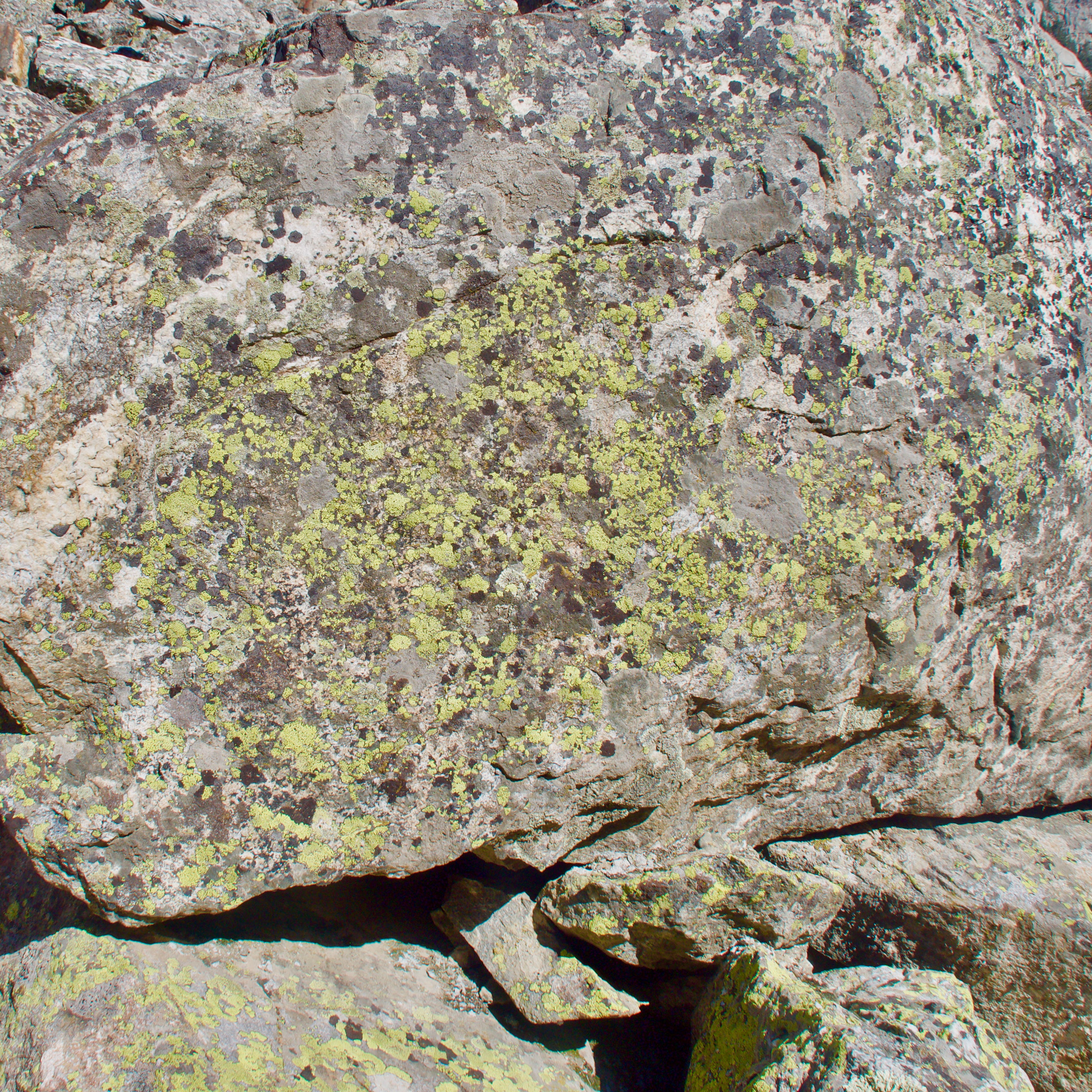
(A note on pictures. Prior to the recent Norway series, “MacGougan at Large” was text only - no pictures. The theory was that Substack - in contrast to, say, Instagram or TikTok - was intended to focus on writing. However, people seemed to enjoy the pictures, so I’m reluctant to drop them completely. For this series, I’ve arbitrarily decided to use pictures from a file I keep under the name “Natural Abstractions”. These are pictures I’ve taken from nature that remind me of abstract compositions. Usually there’s enough context so that you can guess what you’re looking at, but if it isn’t obvious then please think of it as a puzzle.)
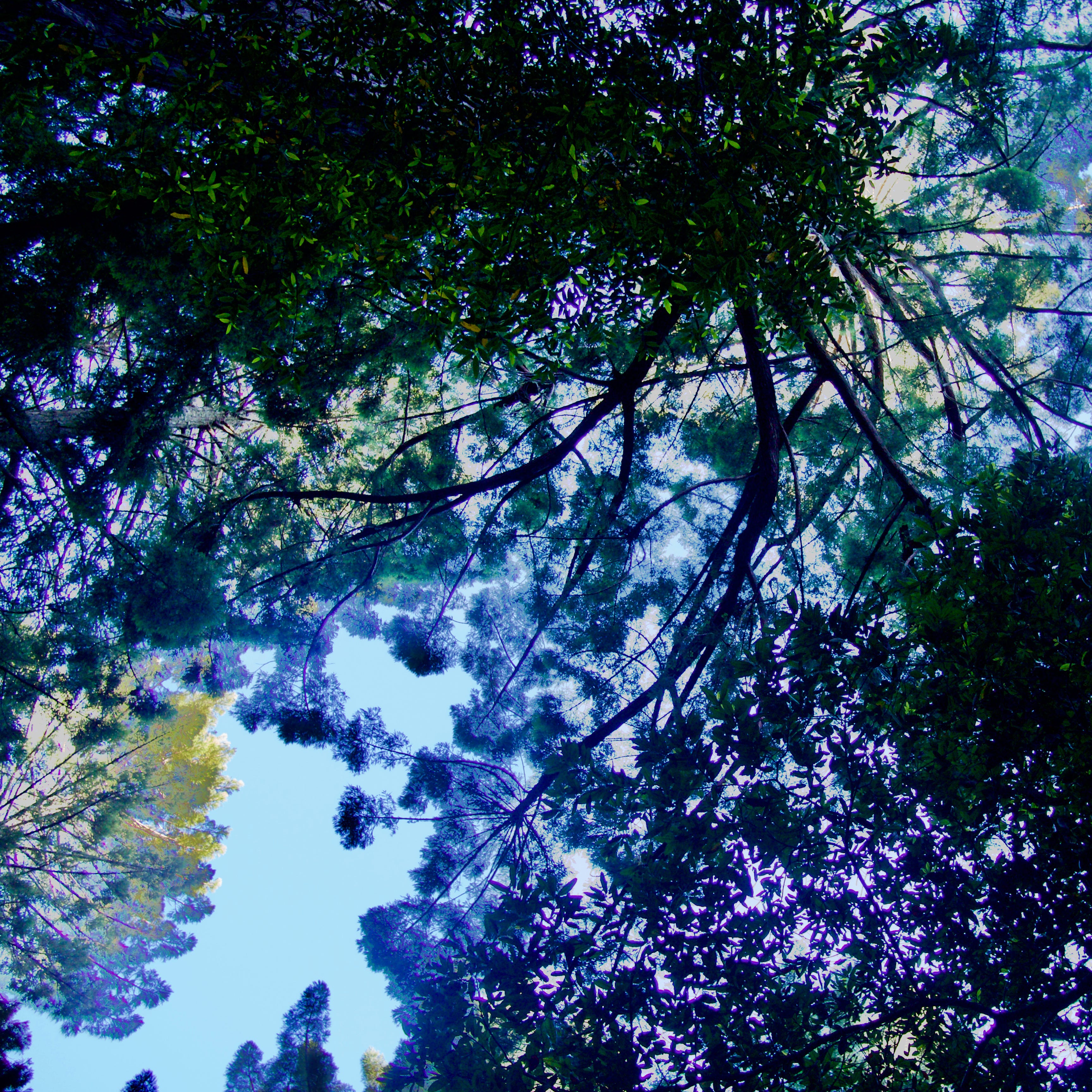
Absolutely keep the pictures. Love the purplish tree. Did connections just now waiting for my flu shots at CVS. Just sad, right?
Interesting topic, Mark. Having just finished the NYT bevy of puzzles for today, I’m VERY annoyed by “Connections.” I chose Navy, Pinto, Lima and Kidney (beans, duh!) and it was rejected! Also, in Spelling Bee I often enter a word such a TARN or ADIT or many others that are deemed iinacceptable but appear regularly in NYT crosswords. Make up your !