MacGougan at Large
Notes on Confusing Expressions - 1

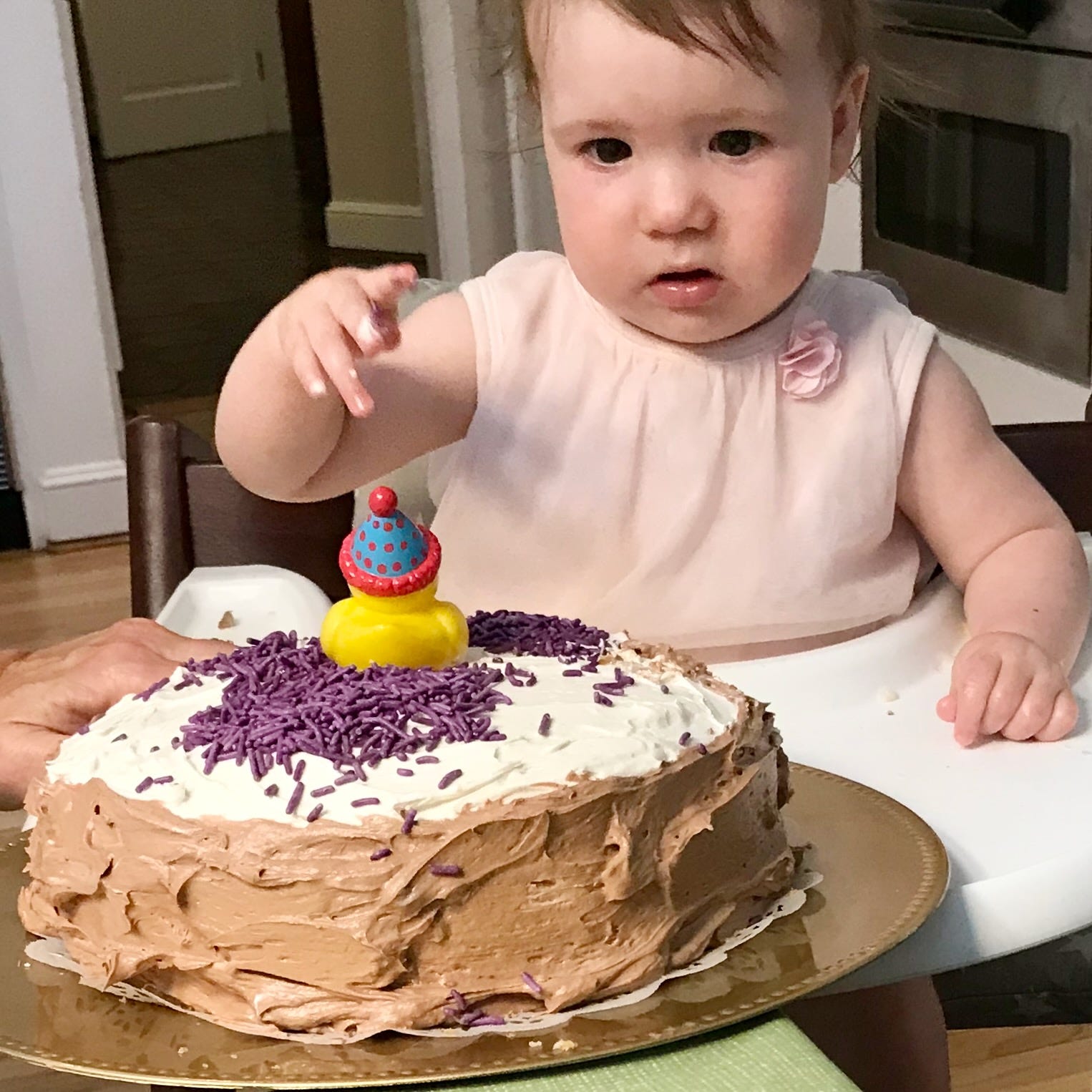
Eating Cake
Based on the First Annual MacGougan at Large Survey some of you participated in recently, the top vote-getting type of column is “Nerdy Musings.” You may want to demand a recount, because armed with that dangerous information I’ve decided to do a series on Confusing Expressions. That is, figures of speech that I found hard to understand when I was growing up and, in some cases, continue to be baffled by to this day.
Today’s subject is cake.
There are lots of confusing expressions on this subject. Why is something easy a piece of cake? Why does something successful take the cake?
But today we’re going to focus on cake eating. There are two notable expressions on this topic:
“Let them eat cake.”
“You can’t have your cake and eat it, too.”
The first is attributed to Marie Antoinette and conveys insular aloofness and a lack of empathy. The poor people don’t have any bread to eat? Let them eat cake!
There’s some ambiguity in the statement. Is the speaker unaware that the breadless poor of her time were in no position to purchase cake? Or is she simply flaunting her unconcern for their welfare as a kind of joke?
As with so many famous quotes, there’s no evidence that it was ever spoken by the person in question. Putting the words in the mouth of Marie Antoinette was most likely a piece of anti-monarchist propaganda.
Also, for the record, the French word we translate as cake is “brioche.” If you’ve ever shopped at Whole Foods, you know that brioche is a fancy, spongy kind of bread. It isn’t the sort of cake that you’d put a candle on for a birthday party. That doesn’t change the meaning of the expression, but it might change the taste you get in your mouth when you hear it.
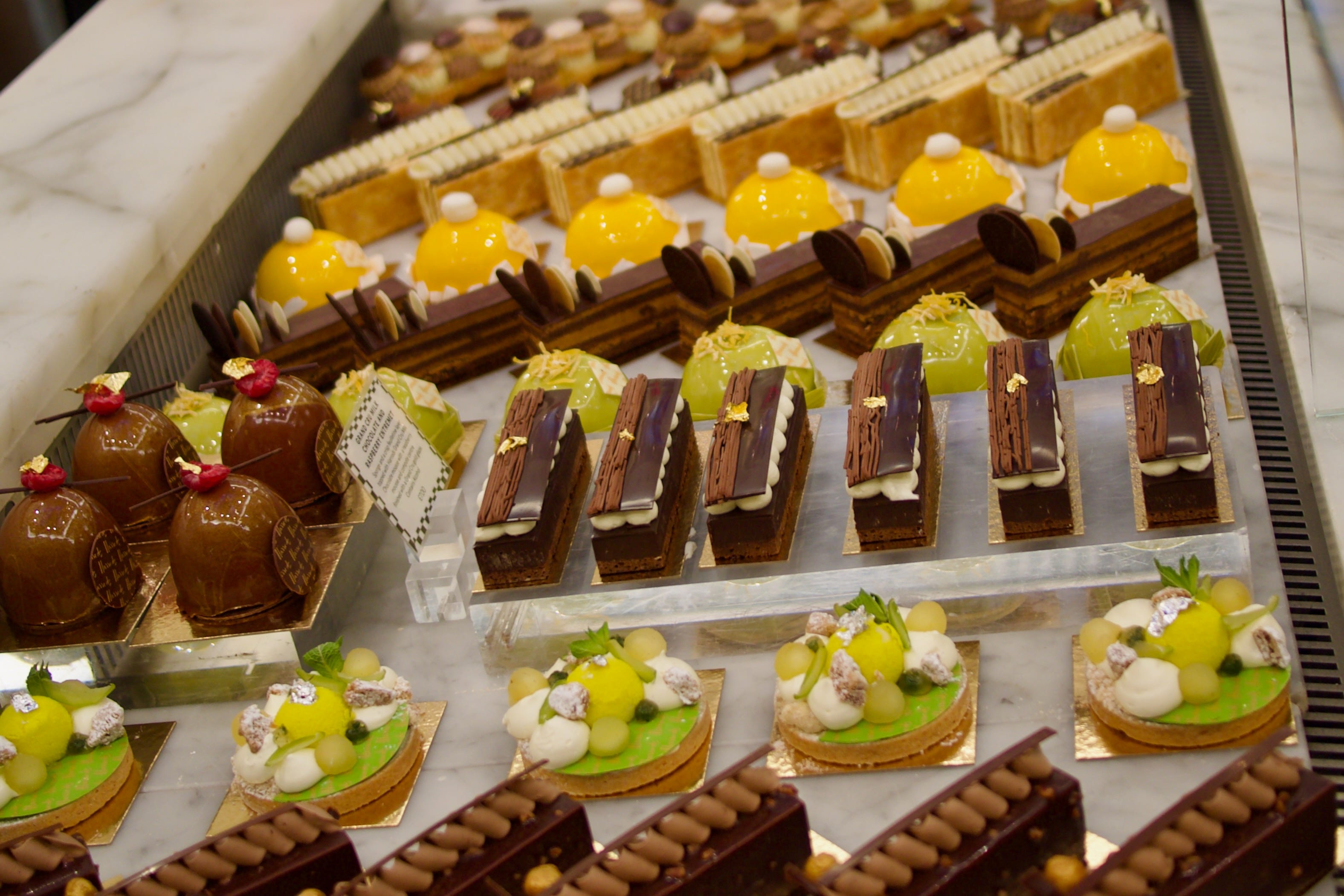
The expression about having and eating your cake dates back at least to the 1500s. (Don’t ask me to be more specific; I was young at the time.) Over the centuries, the order of having and eating in the expression has ping-ponged back and forth. During the 1930s and 1940s the tide shifted strongly to the current version: “You can’t have your cake and eat it, too.”
I think this is unfortunate, because the other order works better. When I was a child, the expression made no sense to me. As far as I was concerned, “having” cake was the same thing as “eating” cake. If we’re having cake for dessert, that means we’re eating it.
The expression only made sense to me later when I heard somebody reverse it: “You can’t eat your cake and have it, too.” Then the lightbulb went on. Once you’ve eaten it, you don’t have it anymore.
Or as that mean, old Marie Antoinette might have said, “Let them eat cake - so they won’t have it anymore!”
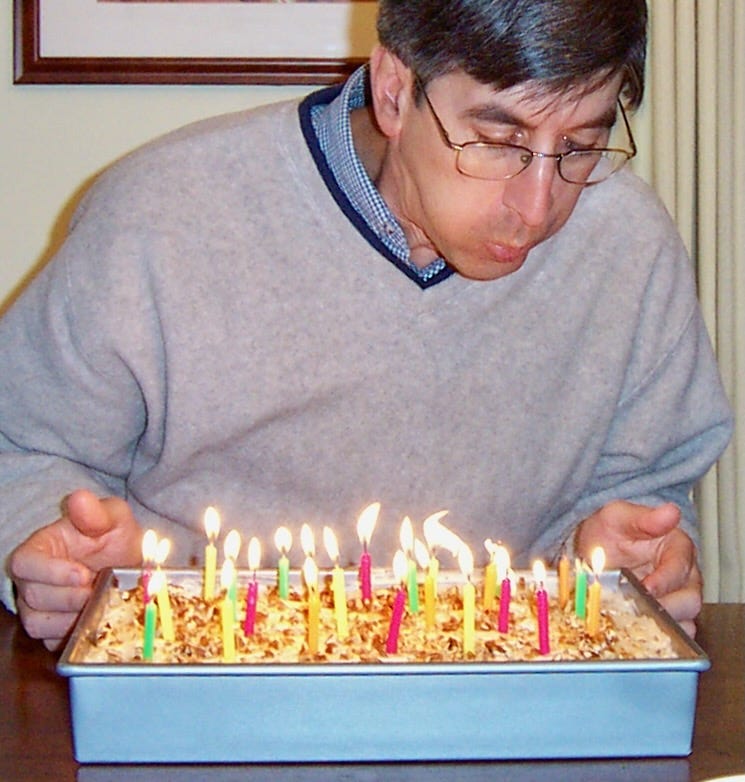
(At the time - twenty years ago - I thought this was a lot of candles.)
You finally clarified the confounding phrase about “having and eating cake”. I knew what it meant but honestly could never figure out why. Thank you so much!
In some areas in Norway, kake means bread. Bread and kake are synonyms.